





Introduction
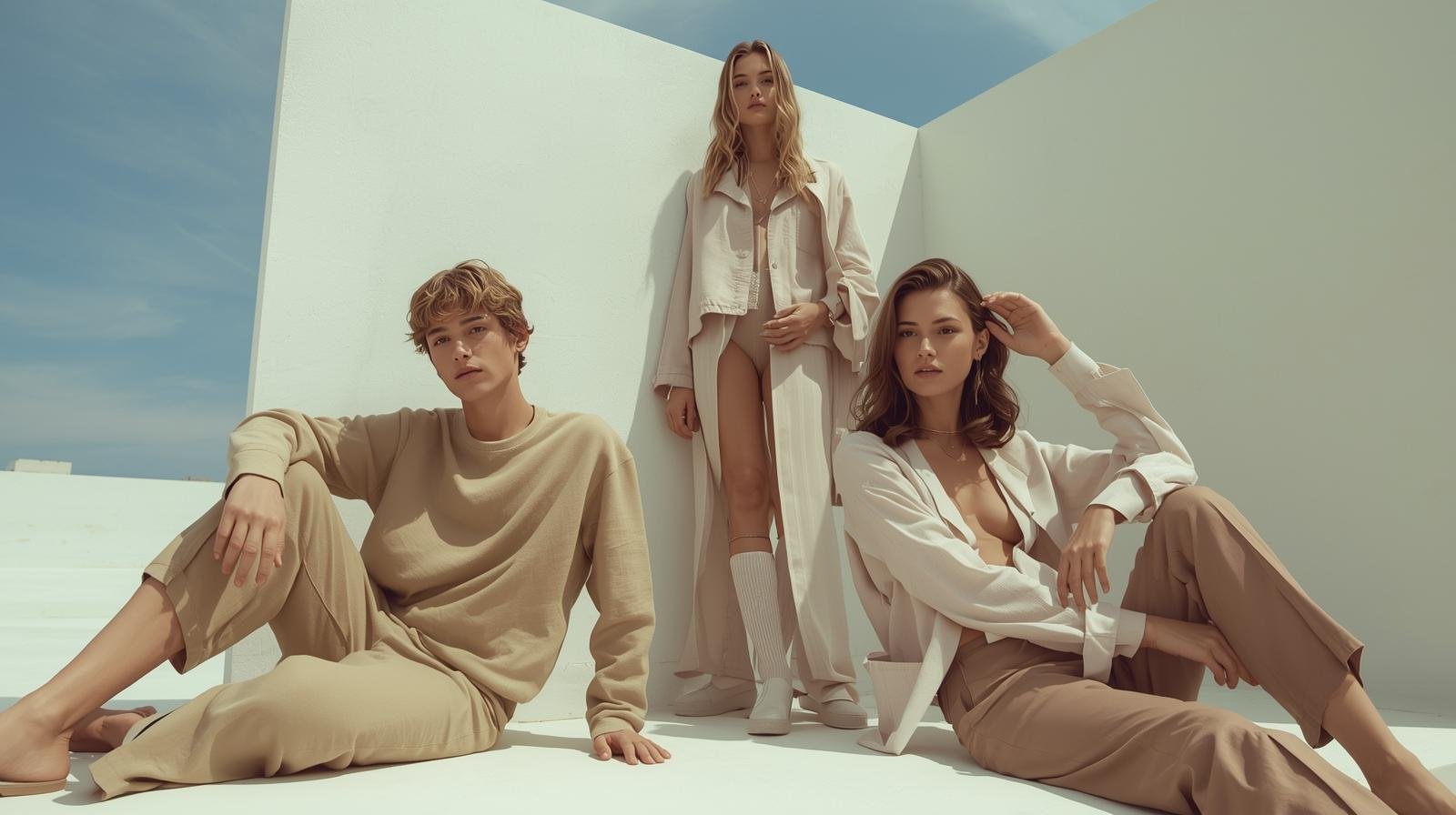
Neutral fashion continues to shape how people dress in 2026. Instead of relying on bright colors or fast trends, many now choose clothing built around beige, cream, white, gray, brown, and black. These tones work across seasons, age groups, and lifestyles.
Neutral fashion focuses on fit, layering, fabric choice, and balance. It supports daily wear, office looks, travel outfits, and casual settings. In 2026, this approach moves further toward simplicity, long-term wear, and flexible styling.
This guide explains current neutral fashion trends, how to wear them, and how to build outfits that stay relevant.
What Defines Neutral Fashion in 2026
Neutral fashion in 2026 centers on three ideas:
- Practical color palettes
- Simple outfit structure
- Reusable clothing pieces
People now prefer clothes that mix easily and last longer. Instead of buying many trend-based items, shoppers choose fewer pieces that work together.
Popular neutral colors this year include:
- Beige
- Off-white
- Stone
- Taupe
- Soft gray
- Mocha
- Black
These shades allow layering without contrast overload.
Why Neutral Fashion Keeps Growing
Several factors drive neutral fashion growth:
Simplicity
Neutral outfits reduce decision fatigue. A small set of colors makes dressing easier.
Long-Term Value
Neutral clothing does not expire quickly. Items from previous seasons still work today.
Social Media Influence
Platforms now favor clean looks and organized wardrobes.
Sustainability Awareness
Many buyers avoid fast fashion. Neutral wardrobes support repeat use.
Key Neutral Fashion Trends in 2026
1. Monochrome Dressing
Monochrome outfits use one color from head to toe.
Examples:
- All beige
- Full gray
- Cream-on-cream
This creates a unified look without effort.
How to style:
- Mix fabric textures
- Add structure with belts or jackets
- Use footwear in the same color range
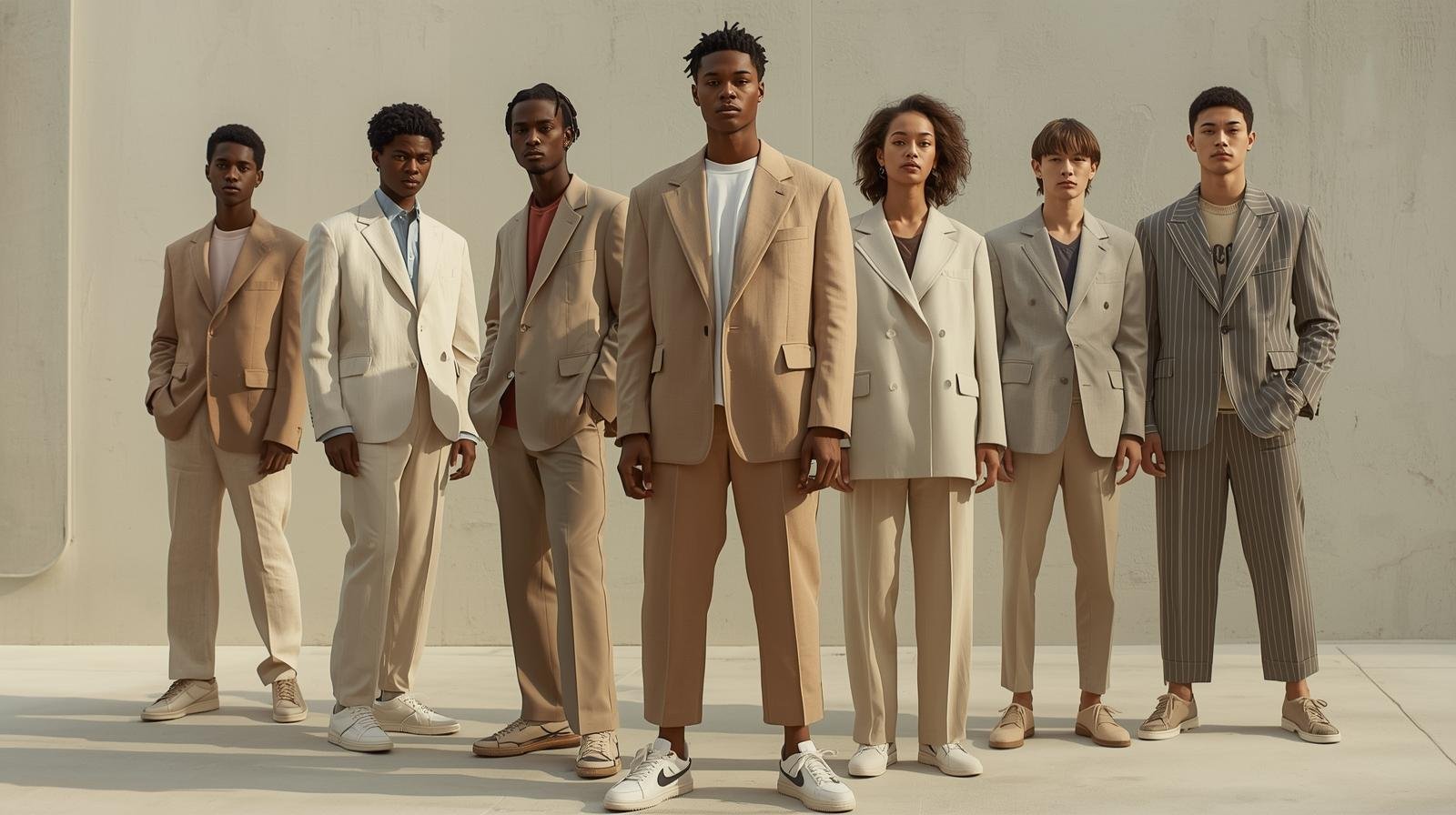
2. Relaxed Tailoring
Tailoring shifts away from tight fits.
Common pieces:
- Loose blazers
- Wide trousers
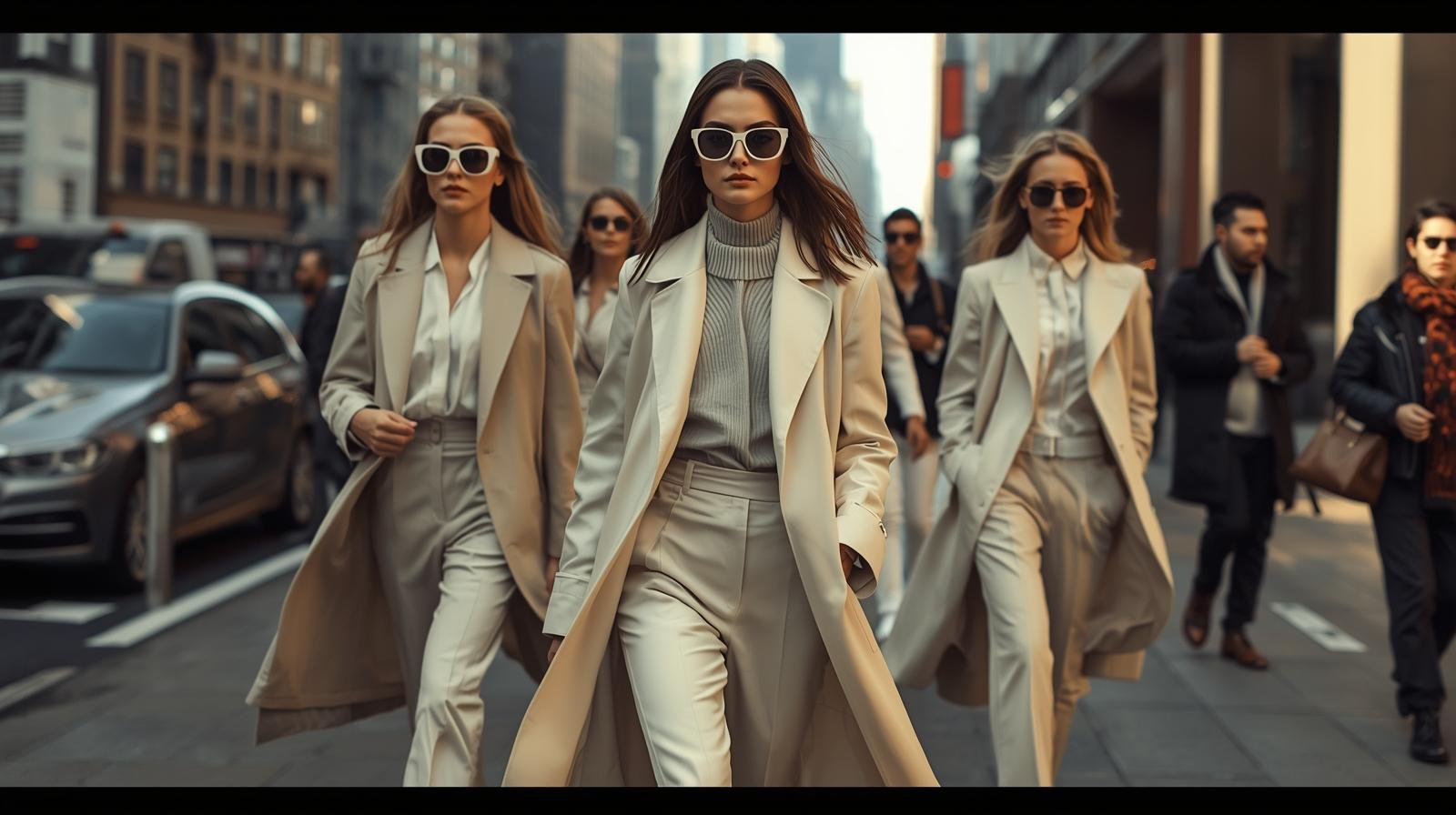
- Long coats
These offer comfort while keeping shape.
Pair relaxed tailoring with:
- Basic tees
- Knit tops
- Flat shoes or low-profile sneakers
3. Layer-Based Styling
Layering becomes central to neutral outfits.
Popular layers include:
- Overshirts
- Light sweaters
- Long vests
Layering adds depth without color contrast.
4. Soft Fabric Choices
Fabric matters more than print.
Trending materials:
- Cotton blends
- Linen
- Wool
- Knit textures
These provide structure while staying breathable.
5. Earth Tone Expansion
Neutral fashion now includes deeper earth shades such as:
- Olive
- Clay
- Rust
- Sand
These colors stay muted while adding variation.
Neutral Fashion for Men in 2026
Men’s neutral fashion focuses on form and function.
Common Pieces
- Straight-leg pants
- Oversized shirts
- Neutral hoodies
- Clean sneakers
Everyday Outfit Example
- Beige chinos
- White tee
- Light gray overshirt
- White sneakers
Office Look
- Taupe trousers
- Cream button-down
- Brown loafers
- Structured blazer
Men now favor outfits that move between work and casual settings.
Neutral Fashion for Women in 2026
Women’s neutral fashion emphasizes shape and layering.
Popular Items
- Long skirts
- Wide-leg pants
- Soft blouses
- Knit sets
Casual Outfit
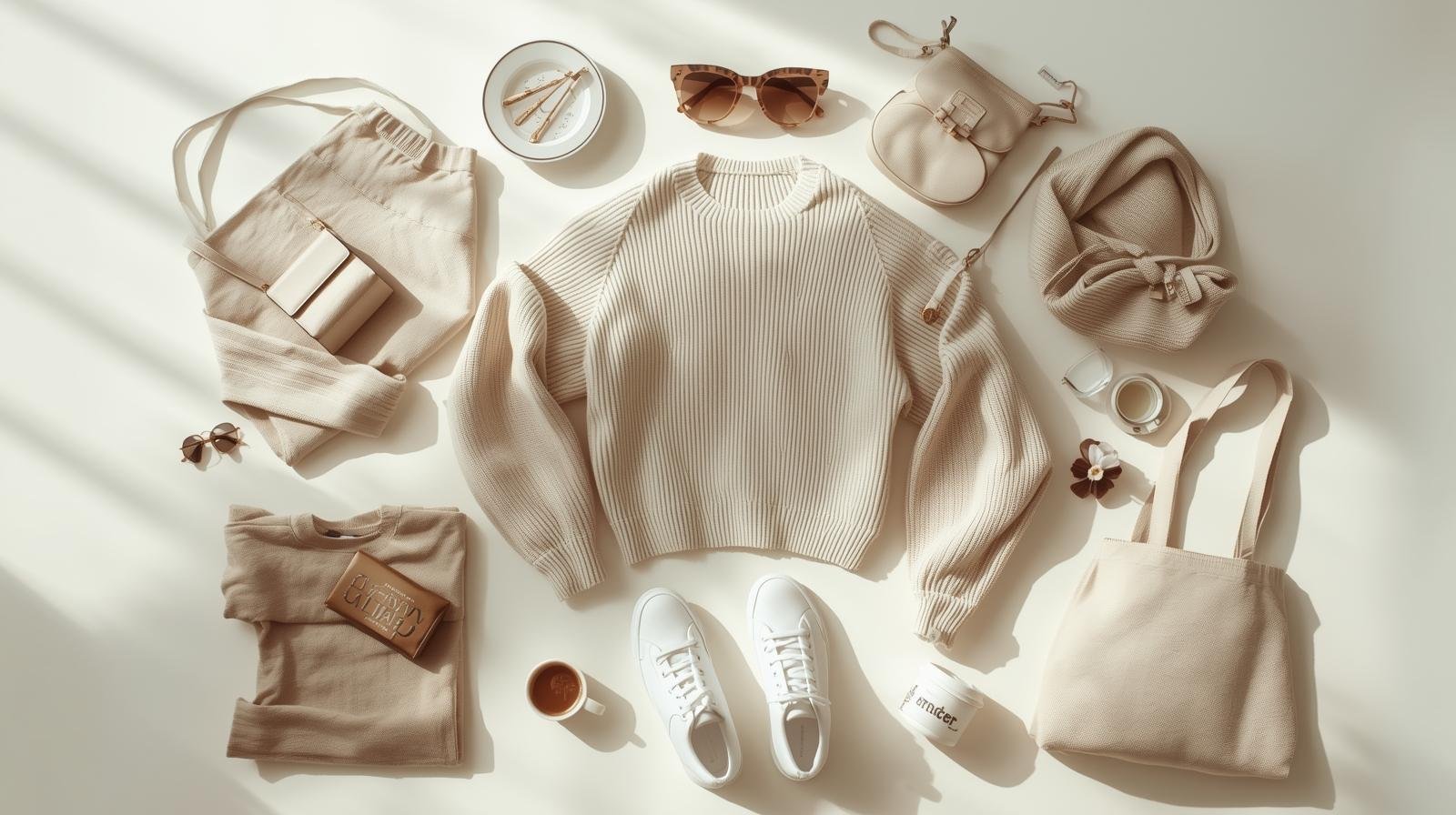
- Cream sweater
- Beige pants
- Neutral flats
Work Outfit
- Gray trousers
- White blouse
- Tan blazer
These combinations support daily wear without styling stress.
Neutral Footwear Trends
Footwear stays simple.
Top choices:
- White sneakers
- Beige flats
- Brown loafers
- Minimal sandals
Shoes now match outfits instead of standing out.
Neutral Accessories in 2026
Accessories stay functional.
Popular items:
- Tote bags
- Crossbody bags
- Leather belts
- Simple watches
Metal jewelry shifts toward silver and brushed gold.
How to Build a Neutral Wardrobe
Step 1: Start With Core Colors
Pick three main colors:
Example:
- Beige
- White
- Gray
Build from there.
Step 2: Choose Base Pieces
Every wardrobe needs:
- Two pants
- Two tops
- One jacket
- One pair of shoes
These form outfit foundations.
Step 3: Add Layers
Include:
- Cardigan
- Overshirt
- Light coat
Step 4: Keep Patterns Minimal
Avoid busy prints. Solid tones work better for mixing.
Neutral Fashion for Each Season
Spring
- Linen shirts
- Light trousers
- Soft jackets
Summer
- Cotton tees
- Loose shorts
- Sandals
Fall
- Knit sweaters
- Long coats
- Closed shoes
Winter
- Wool coats
- Thermal layers
- Neutral boots
Neutral Fashion and Body Shape
Neutral colors highlight fit.
Tips:
- Use vertical lines to lengthen appearance
- Choose high-waist pants for balance
- Add belts to define shape
Proper tailoring improves any neutral outfit.
Shopping Tips for Neutral Clothing
- Check fabric quality
- Avoid thin materials
- Try items before buying
- Focus on versatility
Choose pieces that match at least three existing items.
Sustainable Neutral Fashion
Many brands now offer:
- Organic cotton
- Recycled fabric
- Low-waste production
Neutral wardrobes naturally support sustainability because pieces get reused.
Common Neutral Fashion Mistakes
- Wearing identical shades without texture
- Ignoring fit
- Over-layering
- Buying too many similar items
Balance and planning matter.
How Social Media Shapes Neutral Fashion
Platforms highlight:
- Capsule wardrobes
- Outfit grids
- Daily neutral looks
Creators show how fewer clothes create more outfits.
Neutral Fashion for Travel
Travel outfits often include:
- Stretch pants
- Oversized tops
- Neutral sneakers
These reduce packing volume and increase outfit options.
Frequently Asked Questions
Is neutral fashion expensive?
No. It works at all budget levels.
Can neutral fashion feel boring?
Not if you use texture, layering, and fit.
Does neutral fashion suit all ages?
Yes. It adapts to any age group.
How many neutral pieces should I own?
Start with 10 to 12 core items.
Final Thoughts
Neutral fashion trends in 2026 focus on simplicity, reuse, and comfort. Instead of chasing fast trends, people now build wardrobes that last.
Neutral colors allow mixing without effort. Layering adds depth. Tailoring improves appearance. These trends support daily life while reducing clutter.
A neutral wardrobe does not limit creativity. It creates freedom through structure.