








Introduction
Clothing fit and proportion are important for looking put together. Every body is unique, and different shapes benefit from different cuts, lengths, and clothing types.
This guide explains how to identify your body type and choose outfits that create balance and confidence. It focuses on neutral clothing and modern style, making tips usable for work, casual wear, and events.
Understanding Body Types
Body types can be categorized generally for styling purposes:
- Rectangle (straight) – Shoulders, waist, and hips are similar in width
- Triangle (pear) – Hips wider than shoulders
- Inverted triangle – Shoulders wider than hips
- Hourglass – Balanced shoulders and hips with defined waist
- Round (apple) – Midsection is fuller
Knowing your body type helps in choosing clothing that fits proportionally.
General Dressing Principles
- Focus on fit, not size
- Balance proportions with clothing structure
- Layer to create shape and dimension
- Use vertical lines to elongate the body
Rectangle Body Type Tips
- Use belts or tailored clothing to define the waist
- Add layers to create curves
- Straight or slightly flared pants create balance
- Avoid shapeless clothing
Example outfit: neutral high-waist trousers, tucked-in blouse, fitted blazer.
Triangle (Pear) Body Type Tips
- Highlight upper body with lighter tops
- Darker bottoms create visual balance
- Structured jackets broaden shoulders
- Avoid overly tight lower garments
Example outfit: cream blouse, taupe wide-leg pants, neutral cardigan.
Inverted Triangle Body Type Tips
- Emphasize lower body with volume
- Slim or tapered tops balance shoulders
- Avoid padded shoulders
- Straight or wide trousers create proportion
Example outfit: beige trousers, fitted t-shirt, long neutral coat.
Hourglass Body Type Tips
- Emphasize natural waist
- Fitted dresses or belts work well
- Avoid overly loose shapes that hide curves
- Stick to structured layering
Example outfit: tailored neutral dress, matching belt, low-profile shoes.
Round (Apple) Body Type Tips
- Use vertical lines to elongate torso
- Structured jackets create shape
- Avoid clingy fabrics
- Focus on proportion with layering
Example outfit: long cardigan, straight pants, neutral tee.
Choosing Clothing Lengths
- Crop jackets for shorter torsos
- Longer tops or tunics for midsection coverage
- Ankle-length pants balance height
- Knee-length skirts suit most shapes
Layering Based on Body Type
- Rectangle: layers add curves
- Pear: highlight top with jackets
- Inverted triangle: layers to expand lower half
- Hourglass: define waist
- Round: vertical layers create length
Neutral Clothing and Body Shape
Neutral tones simplify outfit building:
- Beige, gray, white, black mix easily
- Layering textures instead of colors adds interest
- Monochrome outfits create visual elongation
Accessory Placement for Body Shape
- Belts define waist
- Scarves draw attention upward
- Bags proportioned to body size
- Shoes that complement height and leg line
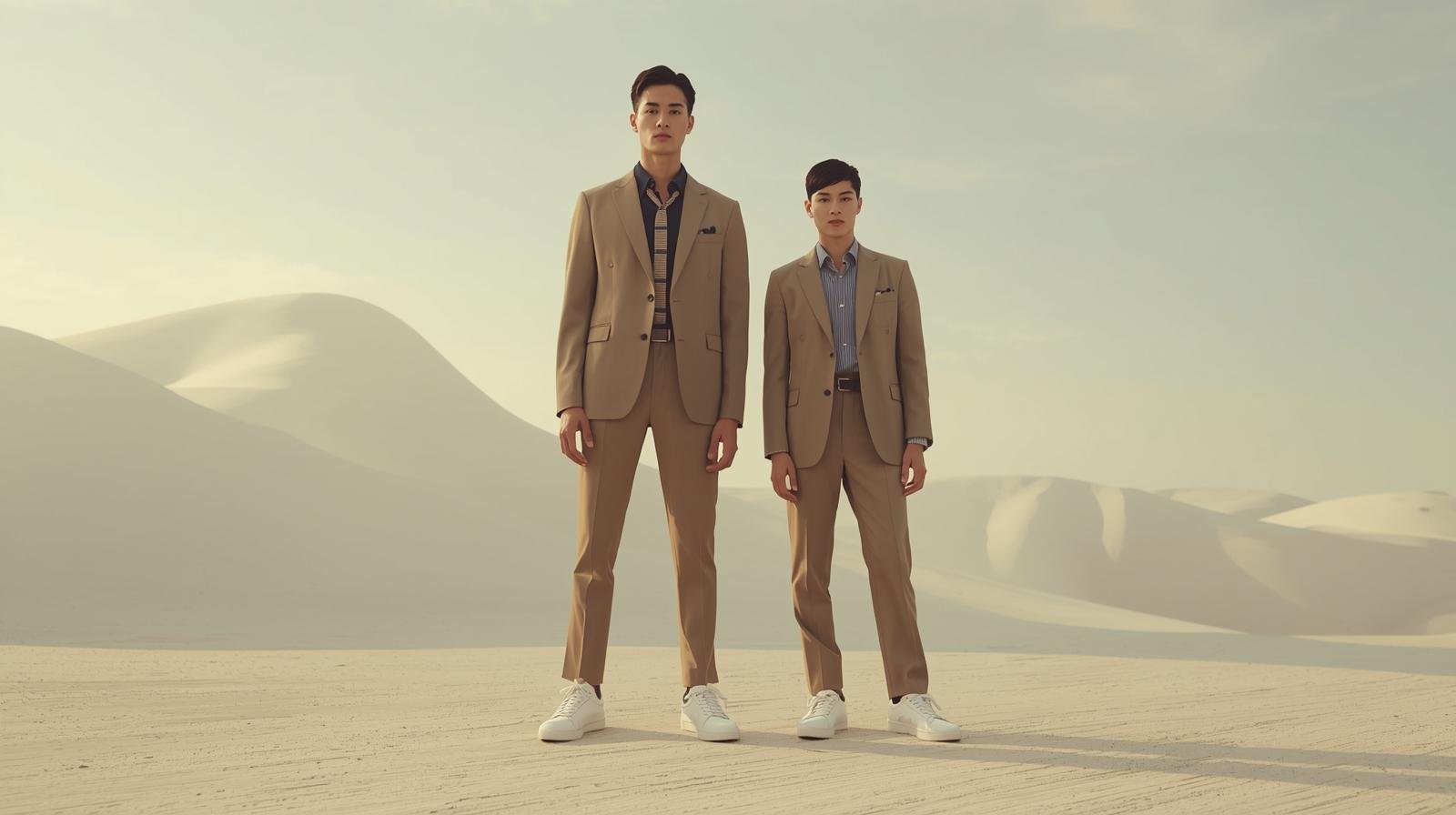
Men’s Dressing for Body Type
- Rectangle: structured jackets, straight pants
- Triangle: lighter tops, darker trousers
- Inverted triangle: slim tops, wider pants
- Hourglass: fitted shirts, tailored pants
- Round: vertical stripes, minimal bulk
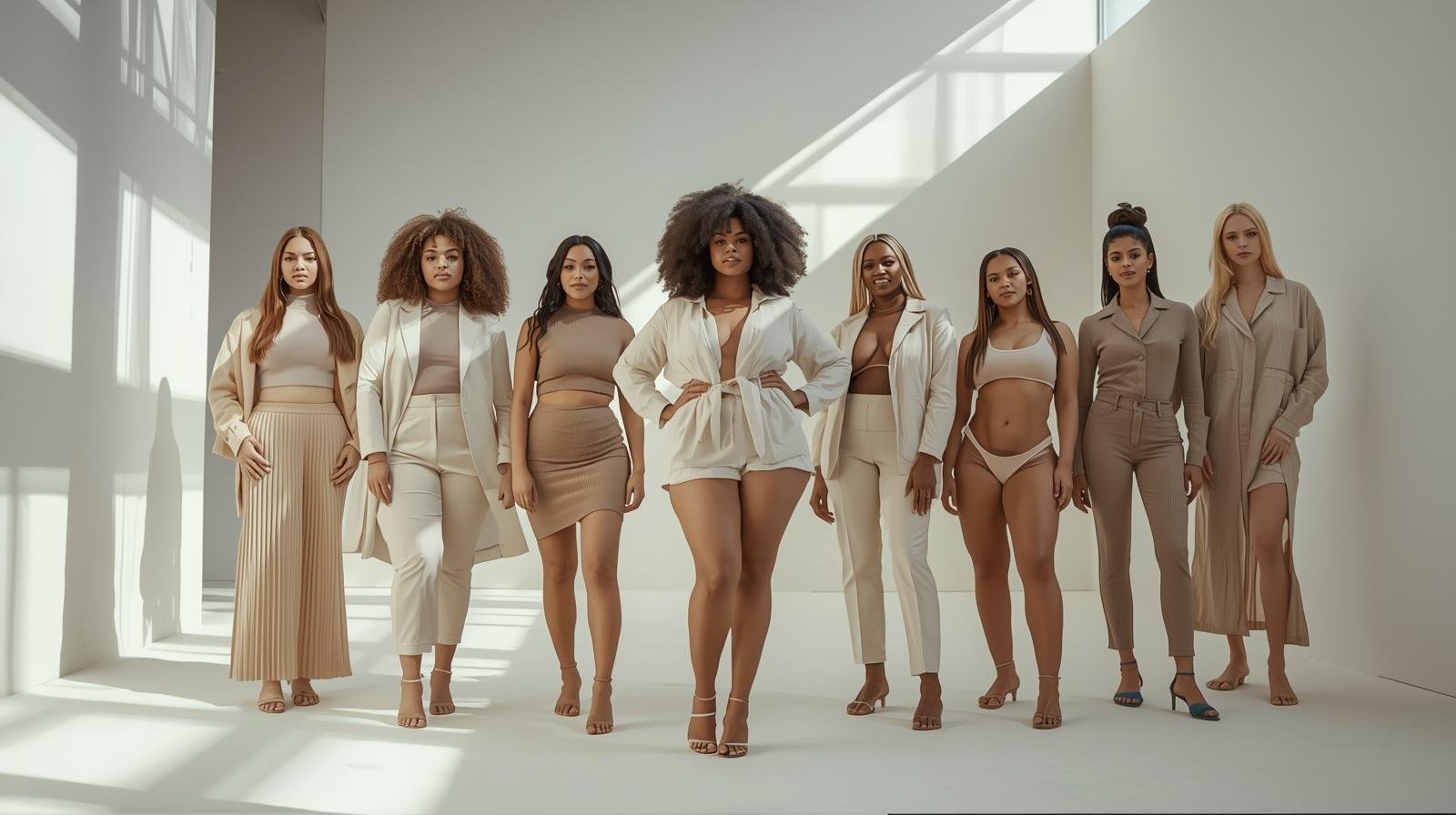
Women’s Dressing for Body Type
- Rectangle: belts, structured blouses
- Pear: padded or structured tops
- Inverted triangle: wide-leg pants, slim tops
- Hourglass: waist emphasis, fitted skirts
- Round: vertical layers, straight pants
Common Mistakes
- Choosing size over fit
- Ignoring balance between upper and lower body
- Over-layering or under-layering
- Using bright contrasts without purpose
Frequently Asked Questions
How do I identify my body type?
Measure shoulders, waist, and hips. Compare proportions to determine shape.
Can body shape tips change with weight fluctuations?
Yes. Adapt clothing to current proportions, not past size.
Are these tips limited to neutral clothing?
No. Principles apply to all colors; neutrals simplify coordination.
Final Thoughts
Dressing for your body type enhances appearance and confidence. By understanding proportions and choosing pieces that balance shape, anyone can build functional, stylish outfits.
Layering, fit, and neutral colors create adaptable wardrobes for work, casual life, and events.